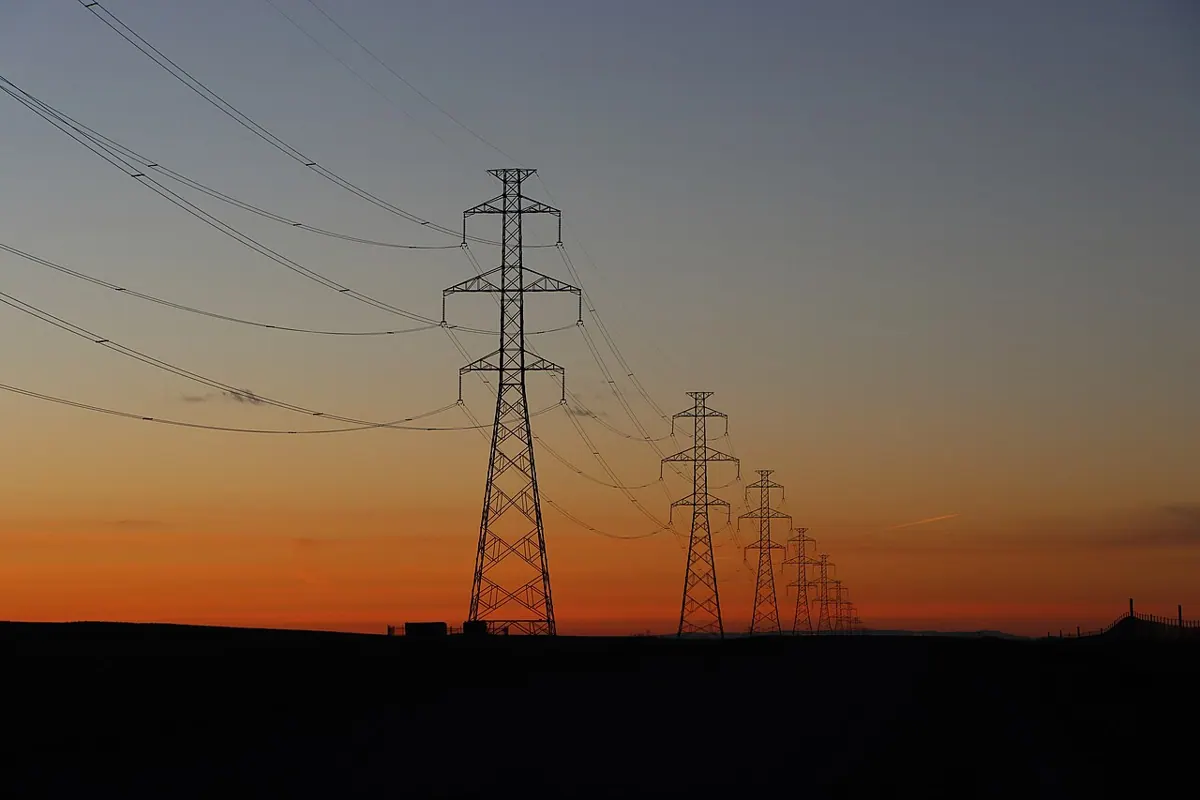
A windy region or sunny plain may be far from the cities and industrial areas that need electricity. Transmission lines help connect those places and allow regions to share resources. Building generation without adequate network capacity can leave some of its potential unused. The line is part of the energy project, even when it is discussed separately.
Understand the network constraint
Electricity flows through a connected network according to physical conditions, not a chosen delivery route printed on a contract. Individual lines and substations have limits. A project may need network studies and upgrades before it can connect. The existence of a nearby tower does not prove that spare capacity is available.
Consider the benefits together
Interconnection can allow regions to share generation and respond to different weather or demand patterns. It can also support reliability when equipment is unavailable. Those benefits depend on the network design and operating conditions. More transmission is not an automatic substitute for every local resource or distribution upgrade.
Take the route seriously
Land use, ecology, communities and construction access shape the choice of route. Transparent alternatives and early engagement matter. Underground and overhead options have different technical, cost and maintenance implications, so the comparison should be project-specific. Transmission planning is often less visually appealing than a new solar array, but it can determine whether that array's electricity reaches useful demand. A complete clean-energy plan therefore includes the wires, substations and operating arrangements that connect generation to everyday services.