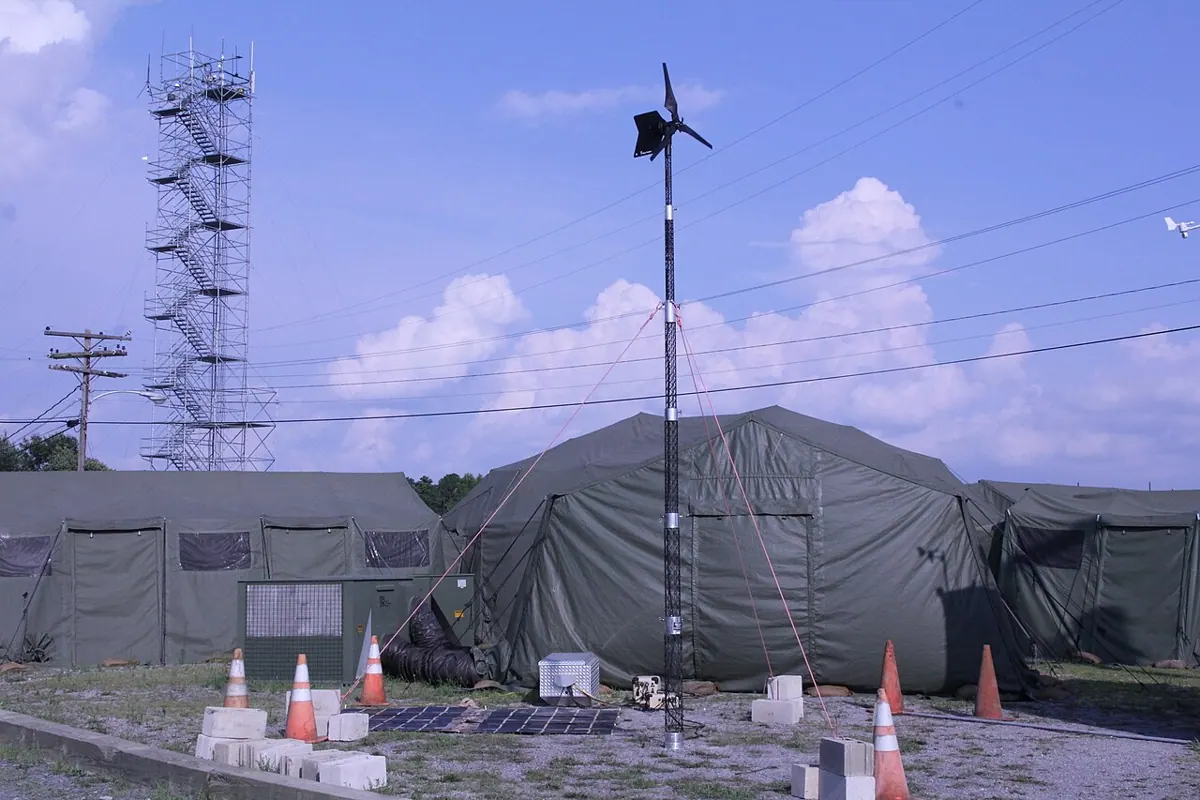
A microgrid is a defined electrical system with loads and resources that can be coordinated. Some are designed to operate connected to the wider grid and to separate into an island when necessary. The ability to island requires appropriate controls, protection and resources. A collection of rooftop panels is not automatically a microgrid.
Define the supported area
The boundary might include a campus, a community facility or a group of buildings. Identify which loads are inside it and which are essential during an interruption. The design must account for power, energy and equipment behavior as demand changes. A map and load schedule are more informative than a general claim of local independence.
Plan the transition
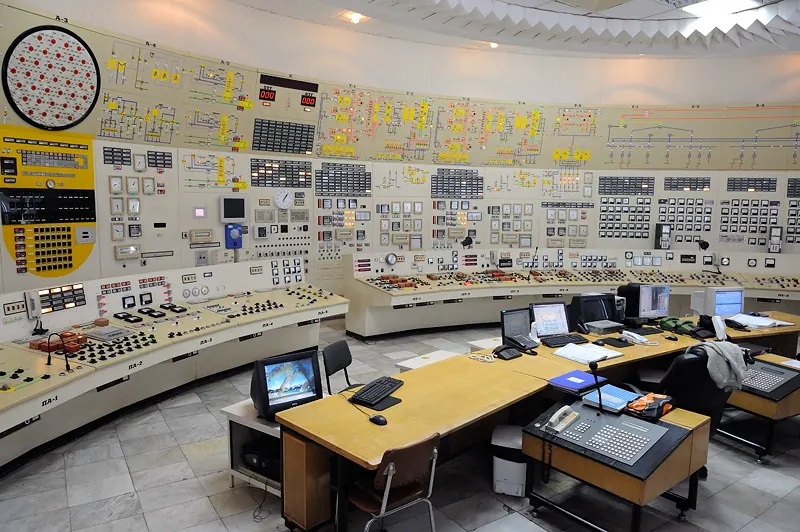
Disconnecting from the grid, maintaining stable operation and reconnecting safely are technical tasks. Controls need to coordinate available generation, storage and demand. If renewable output falls, the system must have a defined response. That might include reducing nonessential loads or using another energy source, depending on the design.
Assign operating responsibility
Someone must maintain equipment, test procedures and make decisions during unusual conditions. Fuel supplies, communications and staffing can matter alongside battery capacity. A microgrid's resilience depends on these ordinary arrangements as well as its hardware. When assessing a proposal, ask what service is guaranteed, for how long and under which assumptions. The strongest project describes a realistic operating envelope and a responsible operator, rather than suggesting that local generation removes every dependency on the outside world.