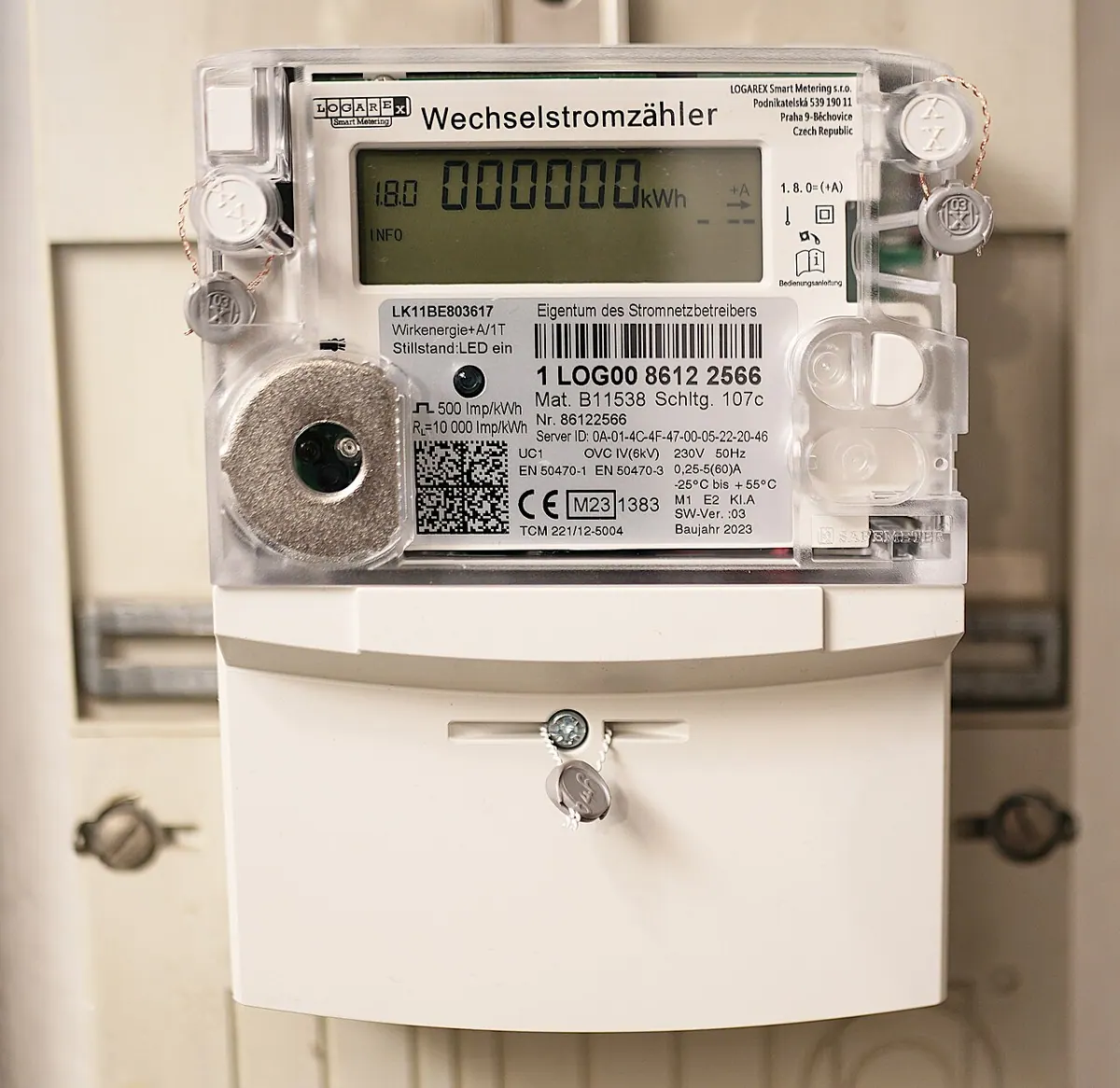
A smart meter can provide more frequent consumption data and support communication with the electricity provider. That information may make patterns visible that a monthly bill hides. But measurement does not automatically reduce demand. The value comes from turning a pattern into an appropriate action or a better question.
Look for repeatable shapes
An overnight baseline, a morning spike or a regular evening peak can suggest where to investigate. Avoid identifying an appliance with certainty from a graph alone. Several devices may overlap, and some equipment cycles automatically. Use a household schedule and, where appropriate, suitable plug-in measurements to test an explanation.
Understand the data interval
A half-hour total cannot reveal every brief peak within that period. Delays, estimated readings and missing intervals may affect a dashboard. Check units and timestamps before comparing records. If the display shows cost, confirm which tariff assumptions it uses. A convenient visualization can still be based on incomplete pricing information.
Keep control of access
Learn how data is shared, who can view it and what permissions apply to connected services. Use the provider's documented processes for privacy and account settings. Then choose one practical investigation, such as an unexpectedly high overnight load, instead of trying to optimize every minute. Smart-meter information is most useful when it supports a focused decision. The meter supplies evidence; the household, building and equipment determine which changes are possible and worthwhile.