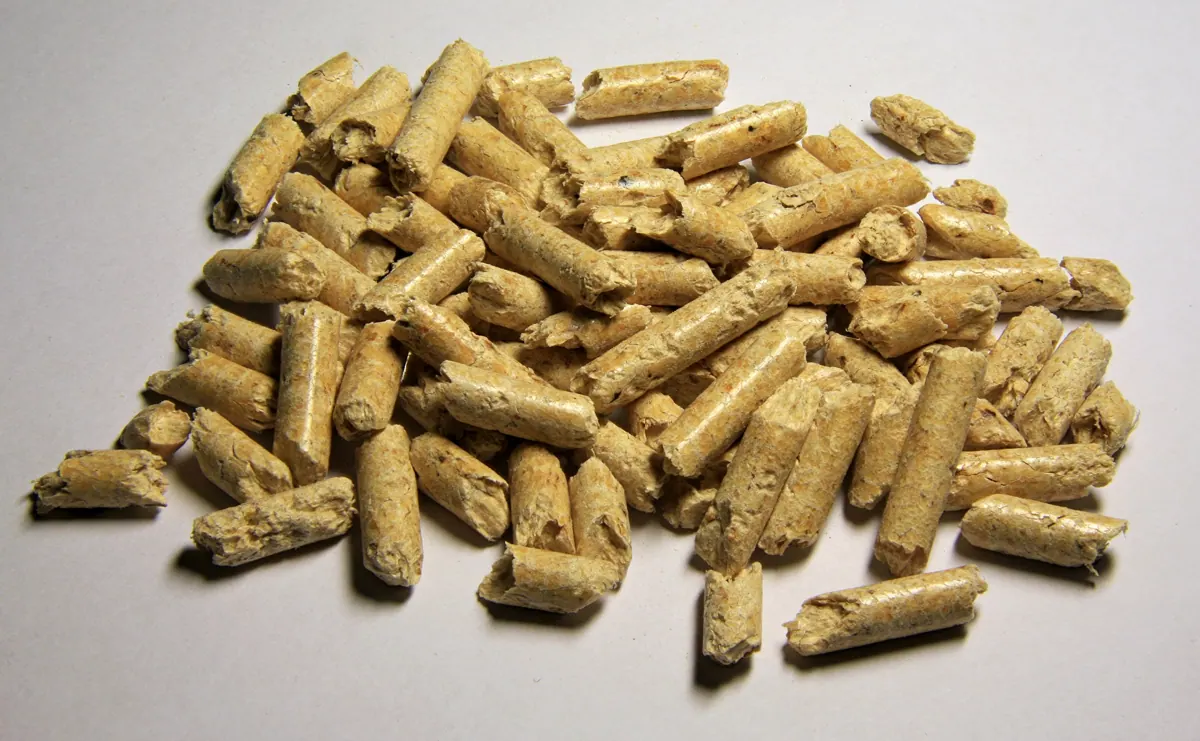
Biomass comes from biological material that can, in principle, regrow. Burning it still releases carbon dioxide and other pollutants. Whether a particular biomass pathway provides a climate benefit depends on the source, the alternative fate of the material, land-use effects and the timescale considered. The word renewable does not settle those questions.
Trace the material
Residues from an existing process differ from trees harvested specifically for fuel. Even residues may have other uses or ecological roles. Ask where the material comes from, how it is collected and how far it travels. A supply chain described only as sustainable needs evidence about the actual practices behind that description.
Keep time in the comparison
Carbon released now and carbon taken up by future growth occur at different times. The result depends on the counterfactual: what would have happened without the energy use? Forest growth, decay and management are complex, so broad claims of instant neutrality deserve scrutiny. Transparent assumptions are essential.
Consider local air quality
Combustion equipment and pollution controls influence local emissions. A climate argument does not remove the need to protect nearby air quality. Efficiency, fuel quality and maintenance also matter. Biomass can have a role in some energy systems, but it should be assessed pathway by pathway. A useful discussion names the material, the land, the alternative use and the equipment, rather than treating every biological fuel as environmentally equivalent.