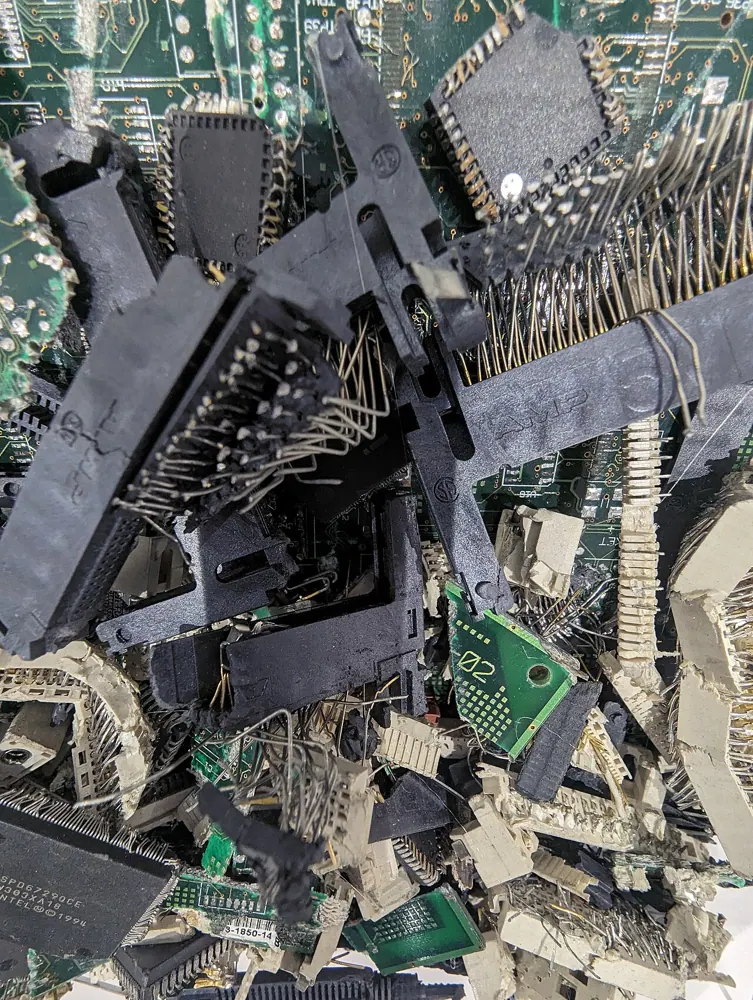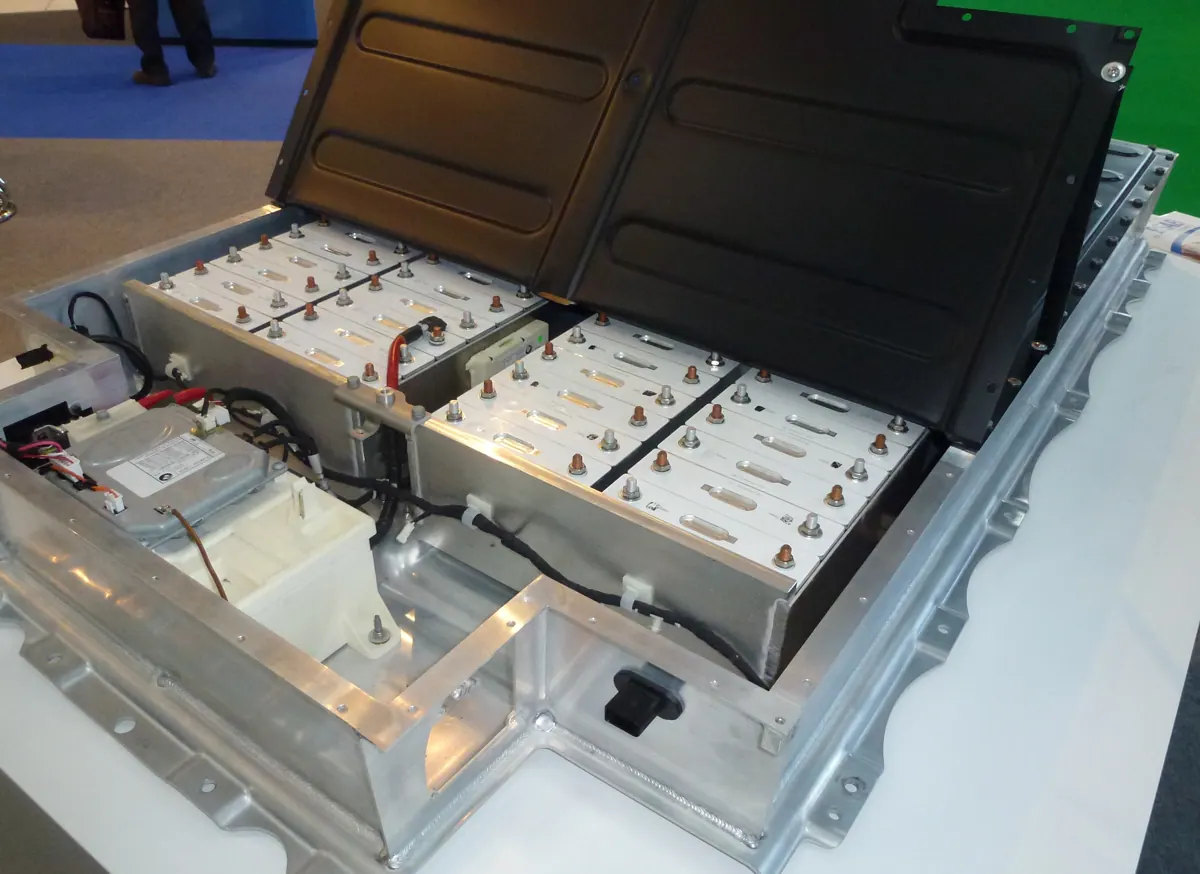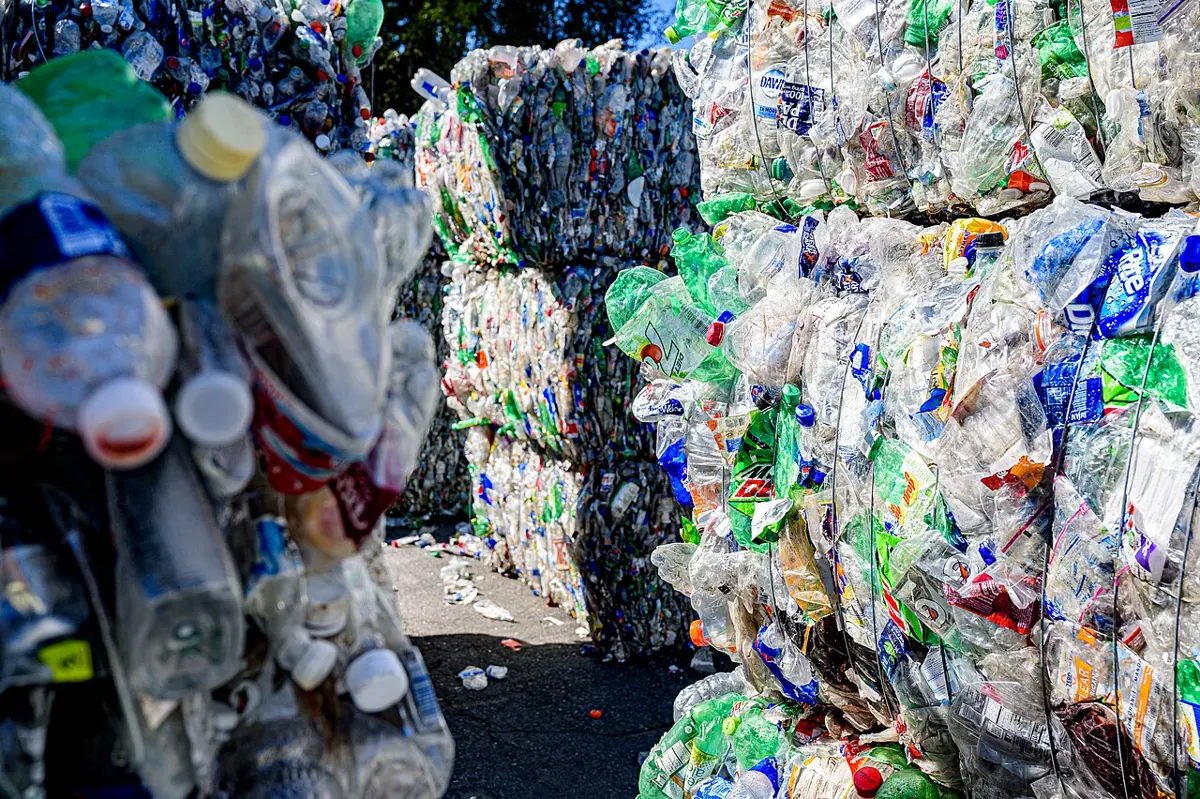
A product may be technically recyclable even when no convenient local facility accepts it. Collection is another step, and successful material recovery is another. These distinctions matter when evaluating energy equipment or everyday products. A recycling symbol alone cannot show that the material will complete the journey.
Ask three concrete questions
Who accepts the item? Where is it processed? What useful output is recovered? The answers may differ for a small electronic accessory and a large installed energy system. Transport and dismantling can be substantial parts of the process. A take-back scheme should explain what happens after the item is returned.
Read percentages with care
A reported recovery rate may be measured by weight and may combine several destinations. Reuse, material recycling and energy recovery are not identical outcomes. Ask what the percentage includes and whether it refers to a particular facility, product or theoretical design. Clear definitions make comparisons more meaningful.
Use the information before purchase
End-of-life planning is easier when products are identifiable, supported and designed for disassembly. Keep records and choose credible return routes when available. Recycling is valuable, but it works best alongside durable design and appropriate use. The practical standard for a strong claim is a traceable route to a real next material use. That standard turns a broad environmental promise into something an owner, buyer or project manager can actually verify.