A clean bus is useful only if people can use it. Route coverage, service frequency, reliability and connections influence whether public transport replaces private car journeys. The energy performance of the vehicle matters, but the service surrounding it determines how much useful travel it provides.
Think in passenger journeys
A vehicle's energy use should be related to the people and distance it carries. Occupancy varies by route and time, so one snapshot cannot describe an entire network. Empty return trips, depot movements and peak demand also belong in operational planning. A transport system needs enough capacity to be useful while making sensible use of that capacity.
Make the first and last leg possible
Safe walking routes, bicycle parking and understandable interchanges can expand the usefulness of an existing service. A technically short transfer may be unattractive if it involves a dangerous crossing or a long uncertain wait. Information and accessibility are part of the infrastructure, not optional extras added after the vehicles arrive.
Evaluate electrification within the timetable
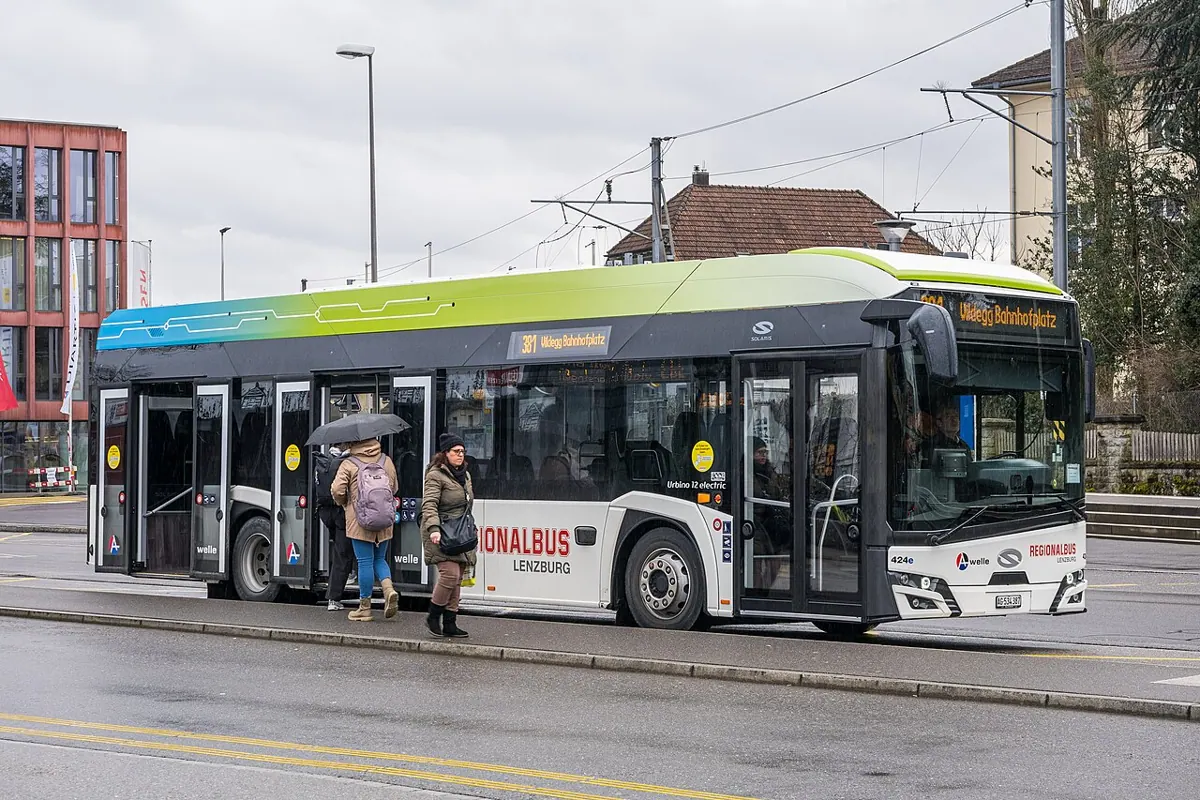
Electric buses need charging arrangements that fit duty cycles, layovers and depot capacity. A charging plan that disrupts service can undermine the benefits of the new fleet. The strongest projects connect vehicle selection with route operations and passenger needs. Cleaner mobility is not simply a procurement exercise. It is the delivery of dependable journeys with lower impacts, which requires attention to the timetable and the street as well as the battery and motor.