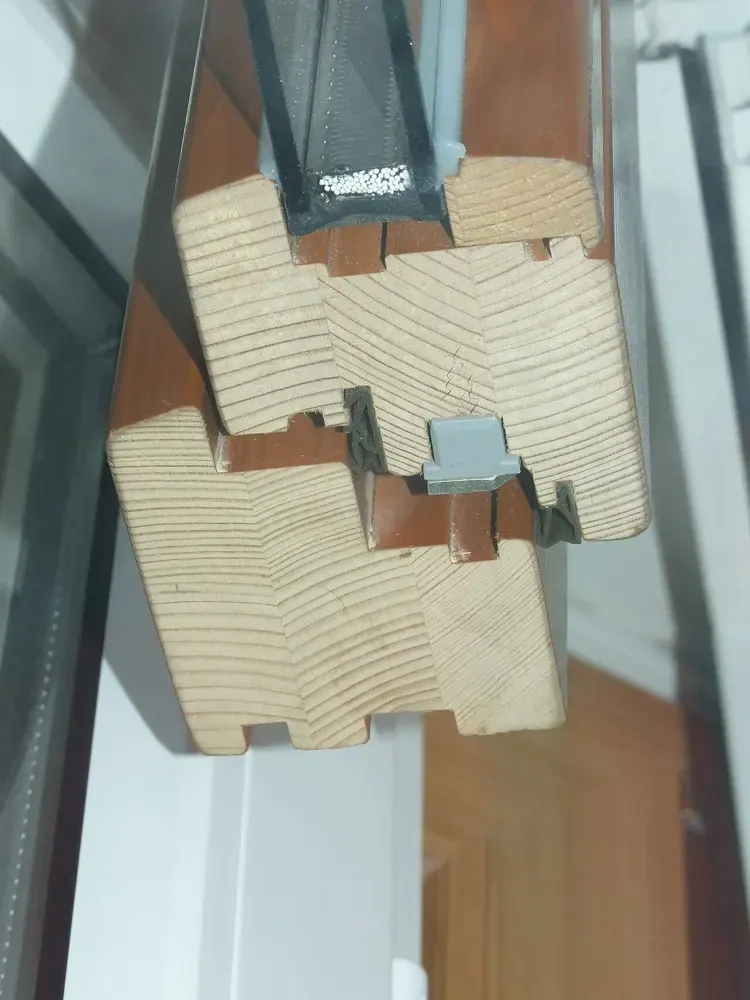
A cold room is not always asking for a larger heater. It may have a draft, a poorly insulated surface, an unbalanced distribution system or a window exposed to prevailing wind. Replacing equipment without understanding the building can leave the original discomfort in place. An energy assessment helps connect symptoms to causes.
Describe the problem room by room
Write down when discomfort appears and where it is most noticeable. A room that is cold only on windy days suggests a different problem from one that overheats every sunny afternoon. Include condensation, odors and difficult-to-control temperatures. These observations give an assessor useful context that a utility bill alone cannot provide.
Think about the sequence of work
Air sealing and insulation can reduce heating and cooling demand. That may affect the size of replacement equipment, so the order of projects matters. Moisture, ventilation and combustion safety also need attention when a building becomes more airtight. The objective is controlled ventilation and a sound building envelope, not simply closing every opening that can be found.
Ask for an actionable report
A useful assessment identifies priorities, explains assumptions and distinguishes urgent repairs from optional upgrades. Ask which work should be coordinated and what measurements can confirm improvement. Photograph relevant areas and keep the report with invoices and equipment information. After changes, compare comfort as well as energy use, allowing for weather and occupancy. A successful project may mean a room becomes usable throughout the day, even if the bill is affected by changing prices. Start with the building as a system and let the equipment choice follow the demand that remains.
An illustrative cold-bedroom investigation
Imagine a bedroom that feels cold after sunset while the living room remains comfortable. The occupants initially consider adding a portable heater. A more structured investigation records when the discomfort appears, whether it follows windy weather and whether the room's heat emitter is operating normally. The bedroom may have a distribution problem, a leaky window junction or a colder external wall. These possibilities require different remedies.
The household gives those observations to an assessor rather than declaring that insulation is definitely missing. The assessment might identify several contributing factors. A repair to the distribution system could improve warmth immediately, while an envelope improvement reduces the underlying demand. This hypothetical example illustrates a process, not a diagnosis that can be applied to every cold bedroom. Its useful feature is the separation between the symptom people experience and the cause that a professional needs to establish.
Put related work in the same conversation
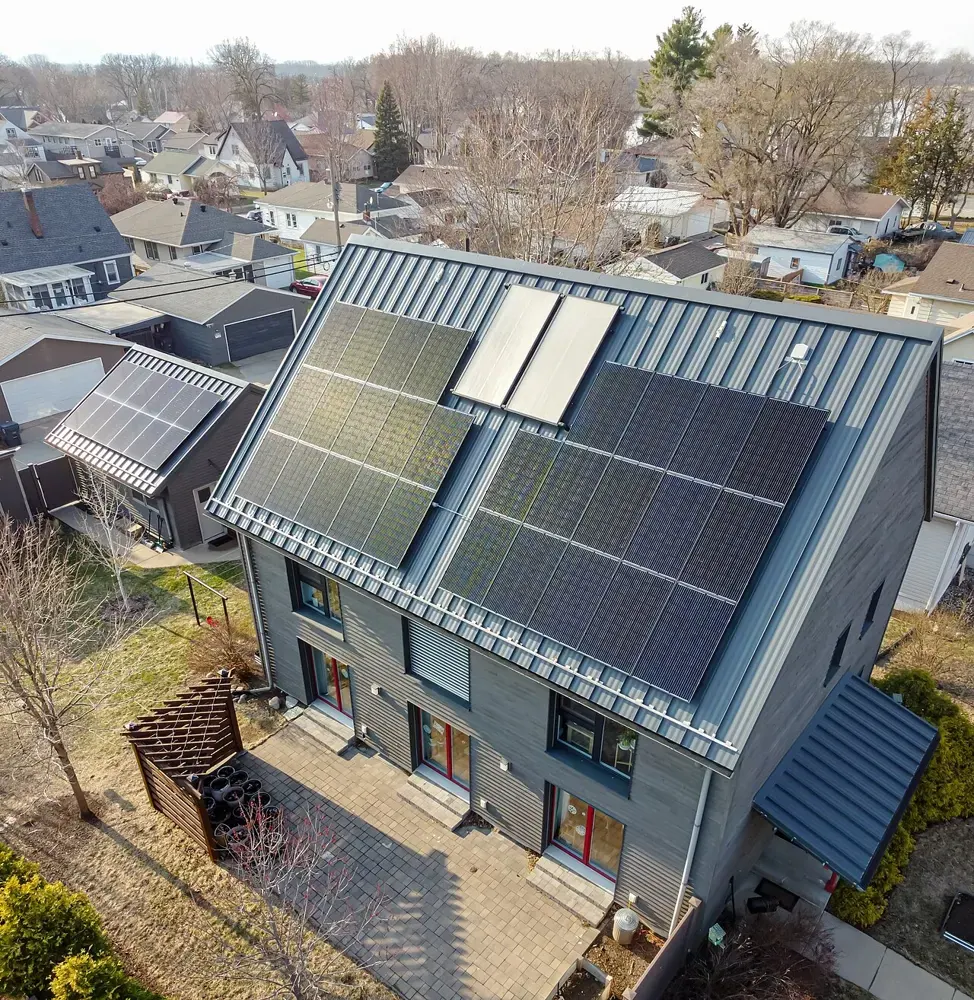
Suppose a roof covering is due for replacement and solar is also being considered. Access equipment and the condition of the roof connect those decisions. Similarly, an insulation project may alter the heating load before a new heat pump is selected. A kitchen renovation can create an opportunity to assess electrical capacity and ventilation before new appliances are ordered. These connections are easy to miss when each contractor is asked about only one product.
Write a simple sequence of planned work and ask each professional which assumptions depend on another project. Mark the items that must happen first and those that can proceed independently. This does not require a large renovation all at once. It helps prevent later work from undoing an earlier improvement or forcing equipment to be moved twice. A small, coordinated plan can be more valuable than a long list of upgrades with no order or dependencies.
Judge comfort and consumption together
After work is complete, record whether the original room-level problem improved. Are temperatures more even? Does the room recover as expected? Has condensation changed? Compare energy consumption over a suitable period, noting weather and occupancy. A home that was previously underheated may use some of the improvement to provide more warmth, so the bill alone will not tell the entire story.
If results disappoint, return to the agreed scope and commissioning records. Ask whether the equipment is operating correctly, whether controls suit the system and whether the original cause was fully addressed. Avoid immediately adding more equipment to compensate for an unexplained problem. The purpose of the assessment and record is to make this conversation possible. A better home is one that provides the intended comfort with a clear understanding of its energy needs, rather than one that merely contains a collection of efficient products.