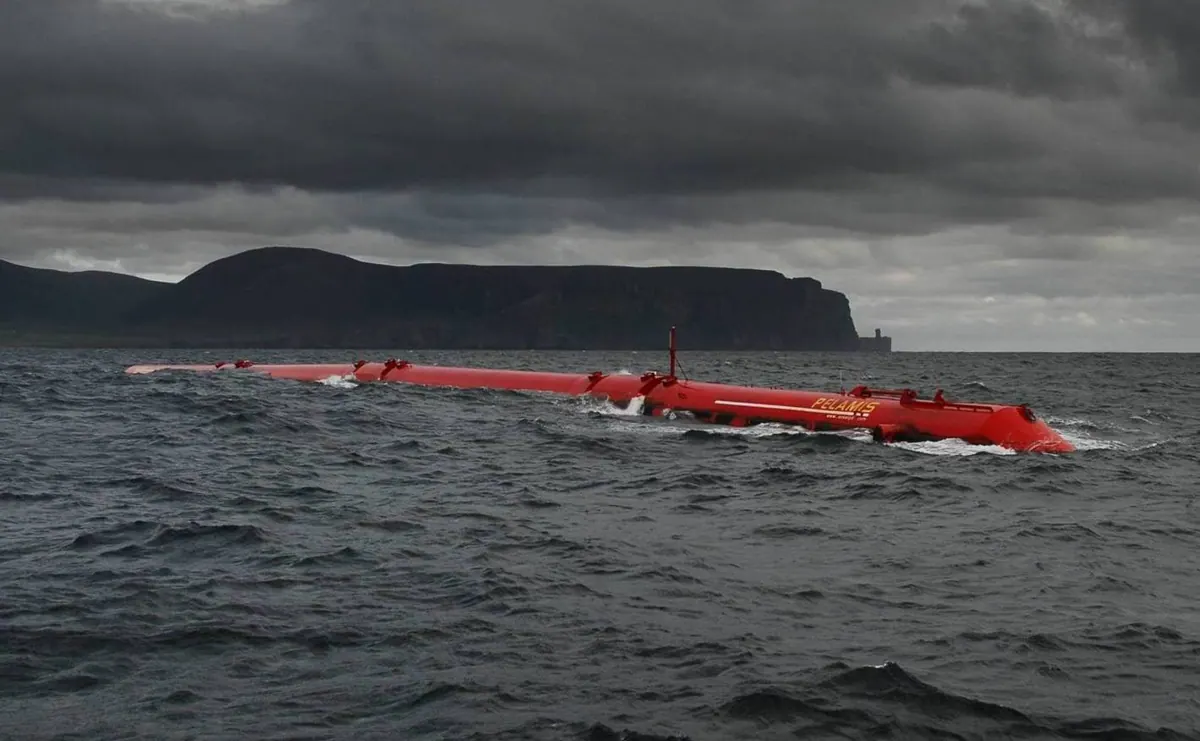
Wave energy devices seek to convert the motion of the sea into useful power. Different concepts use moving floats, hinged structures, water columns or other mechanisms. The diversity reflects a difficult engineering problem: collect energy efficiently during ordinary conditions while surviving much larger forces during storms.
Name the device and setting
Nearshore, offshore and shoreline systems face different conditions. Water depth, wave climate, seabed and distance to the grid influence the design. A successful test of one device in one location does not automatically establish performance elsewhere. Site-specific operating data matters.
Include maintenance in the energy story
Marine access, corrosion, moorings and electrical connections can determine availability. A device that produces well during a short trial may still need years of operating experience to demonstrate durability. Maintenance time and retrieval procedures affect how much electricity is delivered over the equipment's life.
Read progress in stages
Concept validation, prototype testing, arrays and commercial operation are different milestones. Look for evidence about output, survivability, service intervals and cost at each stage. Avoid interpreting a large theoretical ocean resource as a measure of immediately available electricity. Wave energy is worth understanding because it explores another renewable resource, but its practical contribution depends on machinery that can repeatedly return from harsh conditions ready to work again. The engineering story is as much about dependable operation as it is about capturing motion.