Tides follow astronomical cycles, giving tidal energy a predictable timing pattern. That is a useful characteristic, but predictable does not mean constant. Output varies through tidal cycles and with the technology used. Marine equipment also operates in an environment of strong forces, corrosion and difficult access.
Distinguish the approaches
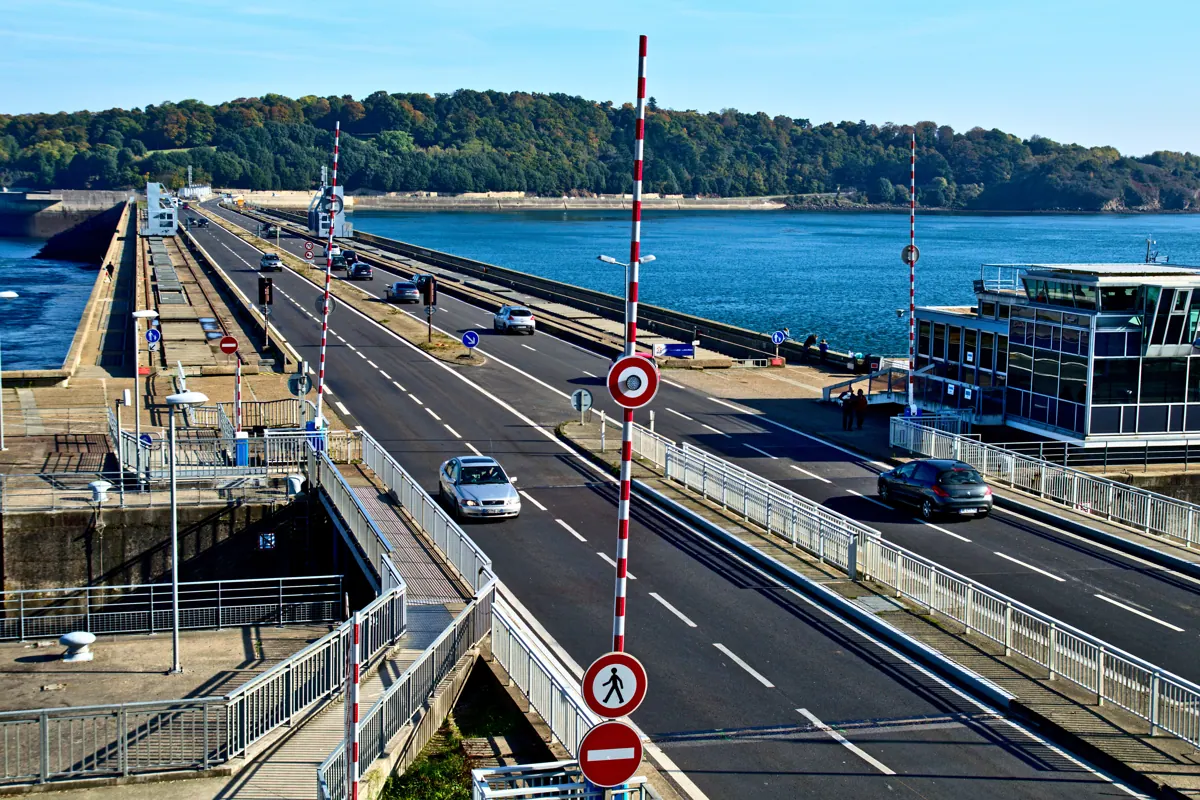
Tidal-stream devices capture energy from moving water, while tidal-range schemes use differences in water level. Their infrastructure and environmental effects differ. A proposal should clearly identify which resource and method it uses. The broad phrase ocean energy can also include waves, which have a different origin and pattern.
Study the site carefully
Current speed, seabed conditions, navigation, marine habitats and access all influence feasibility. Installation and maintenance windows may be limited. Equipment must survive the conditions it is designed to exploit. A promising resource map is only the beginning of a project assessment.
Evaluate the contribution to the system
Predictable variation can help planning, but the grid still needs to balance the periods of lower output. Connection distance, project scale and service requirements affect the value of the electricity. When reading about a trial, look for operating duration, maintenance experience and measured output rather than only peak capability. Tidal energy's distinctive feature is its timing, combined with the challenge of dependable machinery in moving seawater. Both belong in a realistic account of what the technology can contribute.