As wind equipment ages, owners may consider replacing machines or major components. Repowering can mean a substantial redesign, sometimes with fewer but larger turbines. Existing infrastructure may be valuable, yet it does not automatically suit the new loads, dimensions or electrical behavior of the replacement equipment.
Recheck the inherited assets
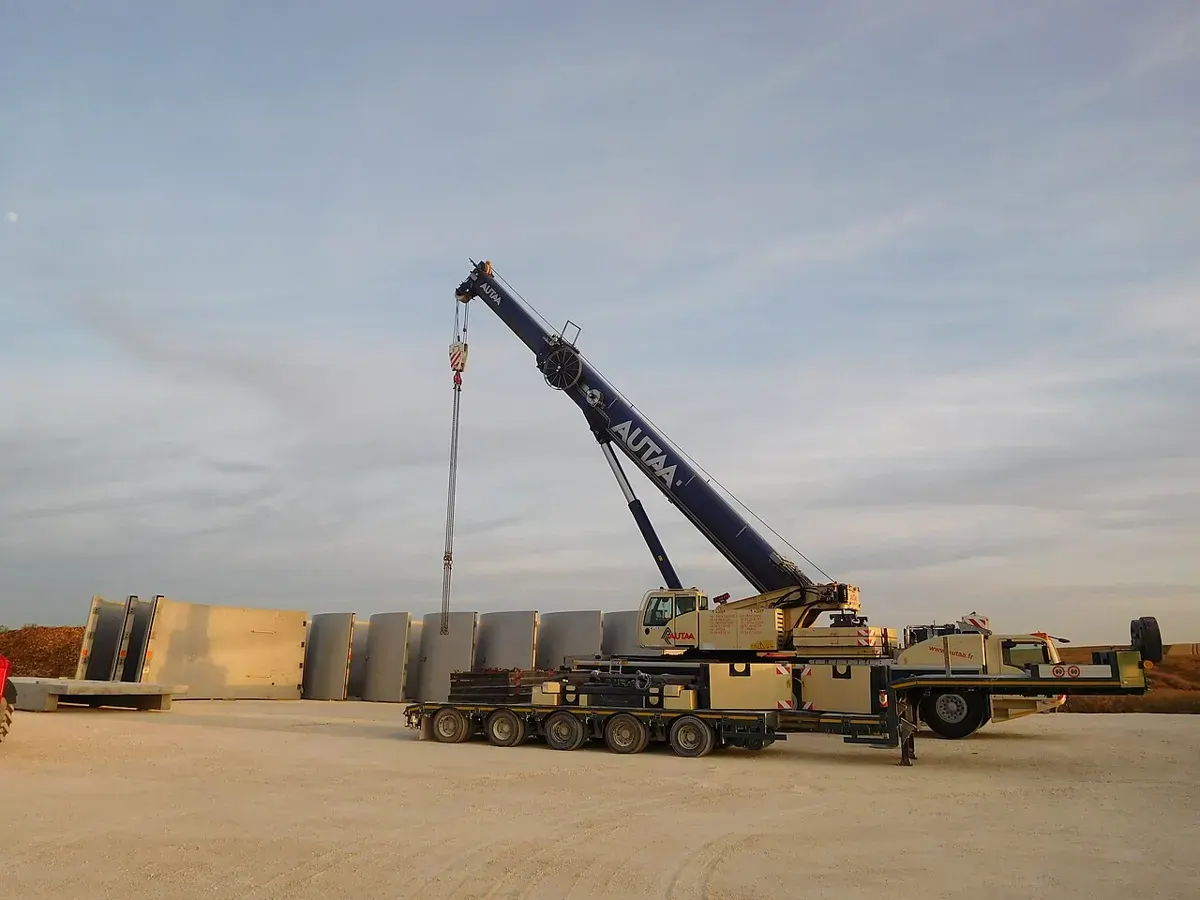
Foundations, roads, cables and substations need assessment rather than assumption. A road that carried an older blade may not accommodate a longer one. A foundation designed for one machine cannot simply be declared suitable for another. The connection agreement may also place limits on what can be exported, even when new turbines could produce more.
Revisit the community agreement
Larger structures can change views, construction traffic and other local effects. Existing familiarity with a wind farm is not a substitute for explaining a new proposal. Updated layouts, expected production and environmental assessment help residents understand what is changing. Leaseholders and neighboring communities may have different interests that need to be addressed explicitly.
Plan the outgoing equipment
Steel, copper and other materials have established recovery routes, while composite blades can be more challenging. Ask what will be reused, recycled or disposed of, and how those claims will be documented. Repowering can extend the useful role of a favorable energy site, but it also creates a transition project with real material flows. A credible plan covers both the new installation and the old machinery leaving the landscape. The handover between them is part of the environmental and operational story.