Energy bills often arrive, get paid and disappear into an inbox. Keeping a small set of records makes future decisions easier. The notebook can be digital or on paper. Its value comes from consistency, not elaborate charts. Begin with monthly energy use, billing dates and a short note about unusual circumstances.
Record units before money
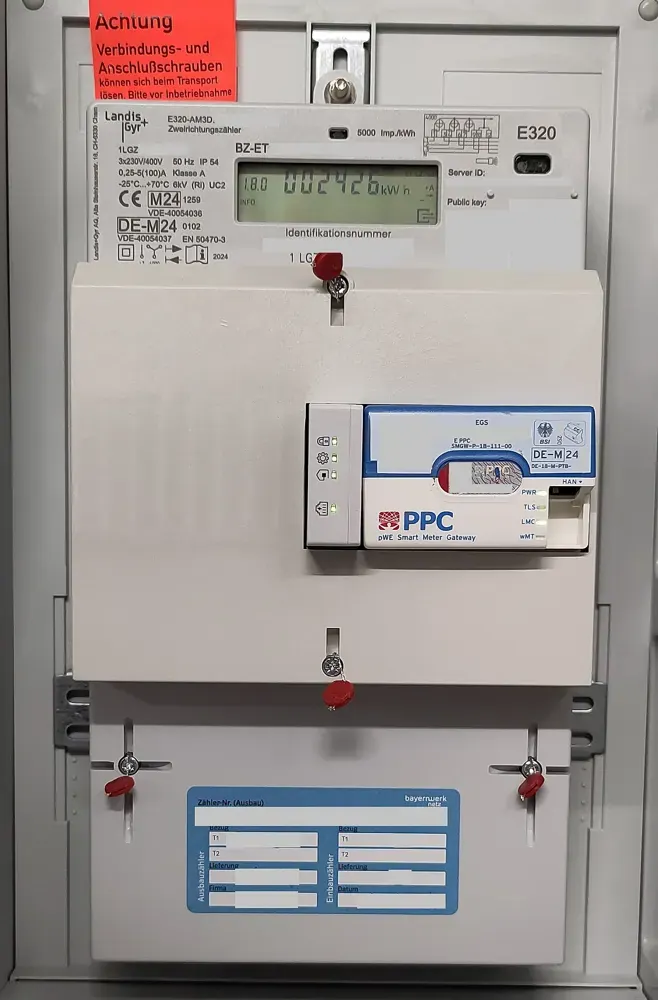
Electricity is commonly billed in kilowatt-hours, while other fuels may use different units. Preserve those original figures and the tariff information. A lower bill does not always mean lower consumption, and a higher bill may reflect a price change. Keep meter readings and identify estimated bills where relevant. This prevents a billing adjustment from being mistaken for a sudden performance change.
Add the household context
Mark holidays, extra occupants, new appliances and major changes in working patterns. Record the date of insulation work or a heating replacement. Weather matters too, especially for heating and cooling. Even a simple note that one month was unusually cold can discourage an overconfident conclusion from a single comparison.
Keep the records useful
Store model numbers, warranties, service contacts and commissioning documents in the same place. After an upgrade, write down what changed in comfort as well as consumption. A contractor can work more effectively with a clear history than with a general complaint that bills feel high. Review the notebook a few times a year and use it to choose the next question to investigate. The purpose is not to turn home life into an audit. It is to make occasional energy decisions with better evidence and less guesswork.