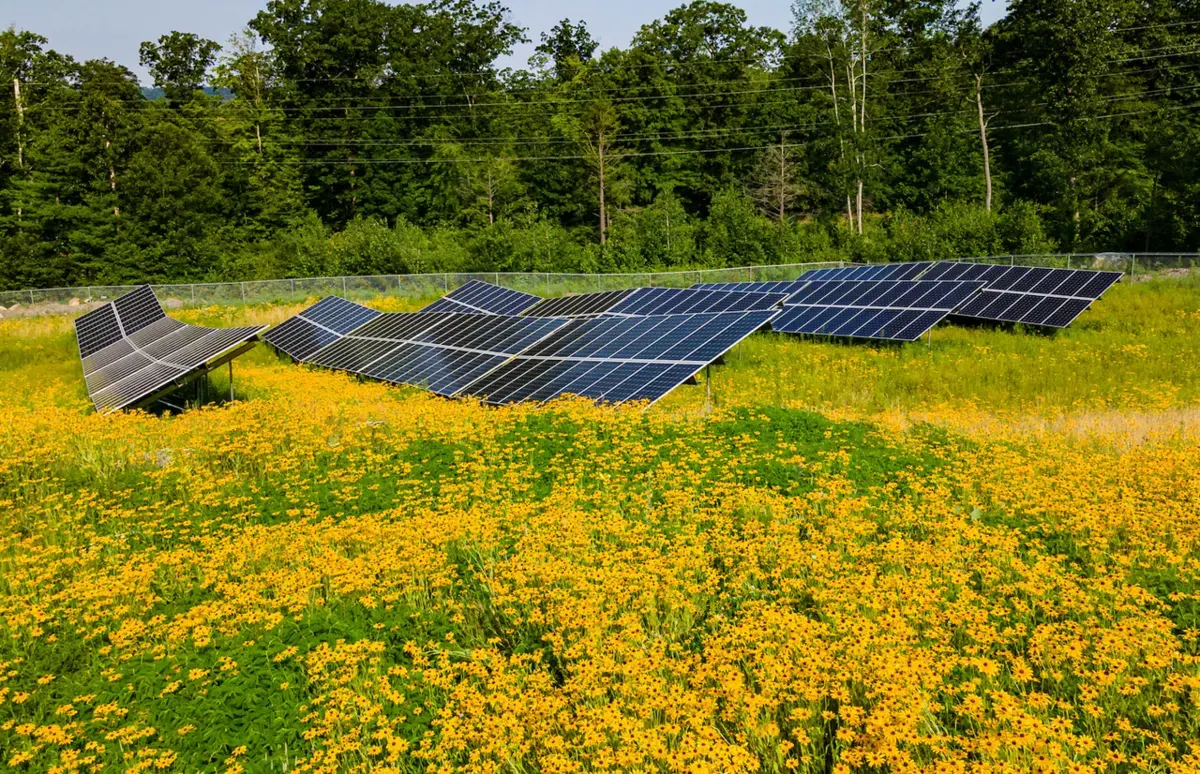
Renters, apartment residents and households with shaded roofs may still have ways to support solar generation. Community solar usually refers to a shared project whose benefits are allocated among participating customers. The exact arrangement varies by location. Some programs offer bill credits, others involve ownership shares or a different contractual relationship. The name alone does not establish the terms.
Map the money before enrolling
Draw the sequence: who bills you, who calculates the credit, and where it appears. A discount described as a percentage of credits is different from a percentage reduction in the entire utility bill. Fixed utility charges may remain. Ask for an example using your own recent consumption and read how the subscription changes if your usage falls.
Consider a future move
For a renter, portability can matter more than a small advertised saving. Check the service territory, notice period, cancellation process and any transfer restrictions. Understand whether enrollment requires a credit check or an upfront payment. Keep the agreement and the first bills together so that promised and actual treatment can be compared.
Understand the environmental claim
Ask who owns the renewable energy certificates or equivalent attributes associated with the generation. Receiving a financial credit and owning the right to claim renewable electricity are not always the same thing. A good provider should explain this distinction clearly. Community solar can make participation more accessible, but it should still be evaluated as a real service agreement. Compare written terms, local eligibility and the project's operating status before relying on a promotional headline.