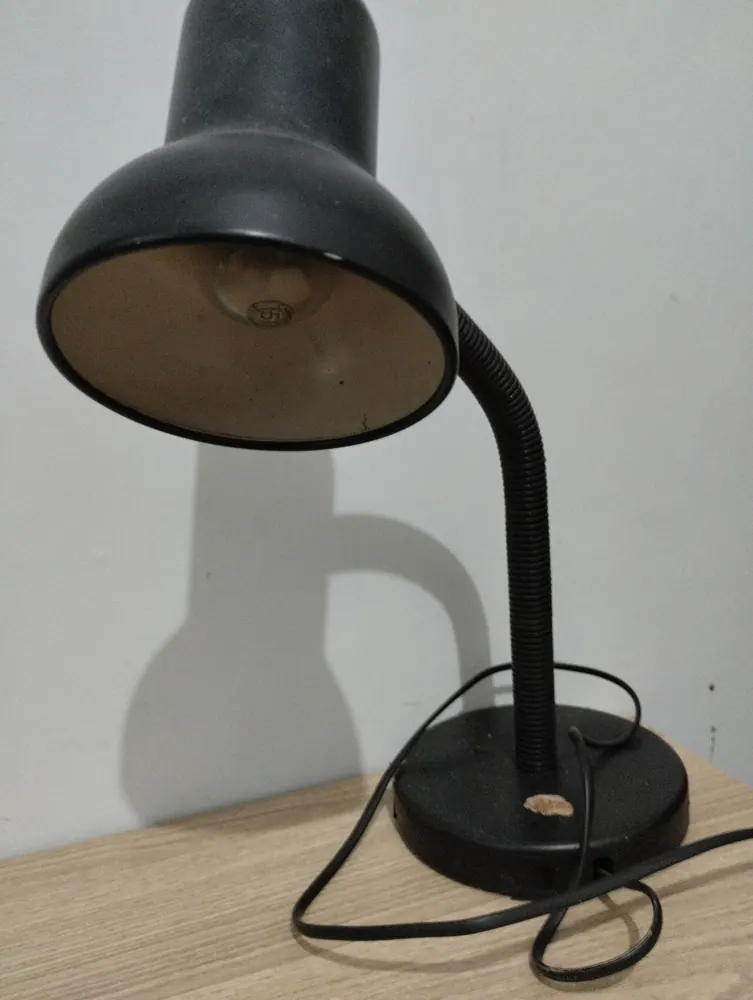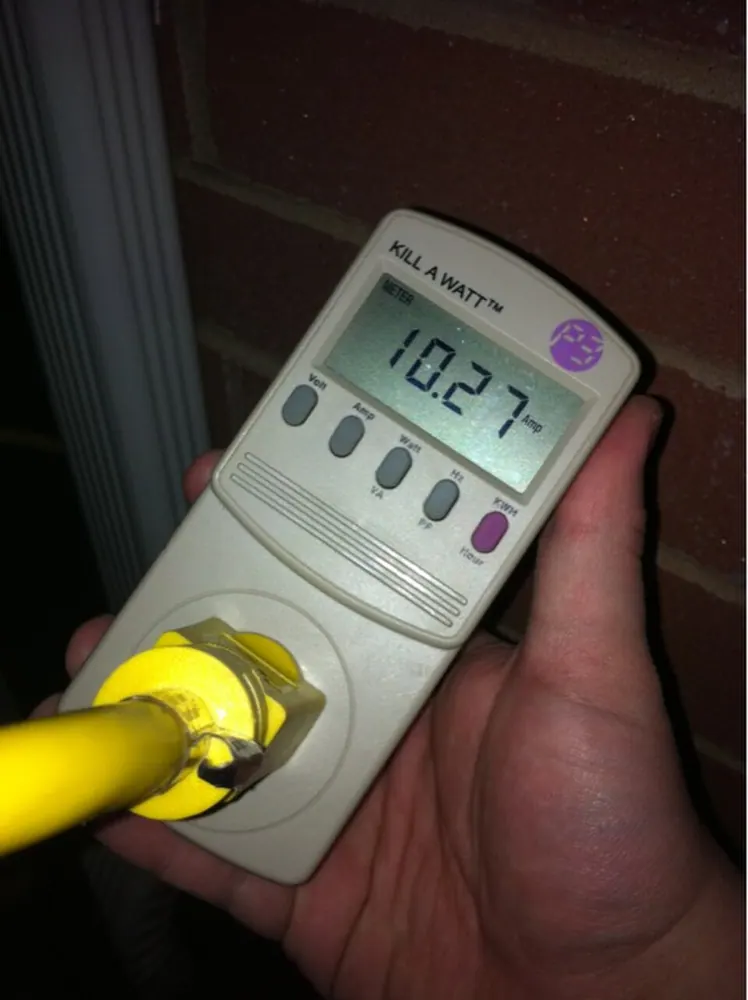
Changing several things at once makes it difficult to know what helped. A simple household experiment focuses on one adjustable behavior, measures an appropriate outcome and records the conditions. It does not need laboratory precision to be useful, but it does need enough consistency to avoid an obvious false conclusion.
Choose a measurable question
For example, compare the energy used by a compatible appliance under two suitable settings, or observe whether a schedule reduces unnecessary operating hours. Use equipment within its ratings and follow instructions. Do not experiment with safety-critical controls or fixed wiring. State the question before collecting data so the result is not chosen afterward to fit a preferred story.
Keep conditions reasonably comparable
Load size, weather, occupancy and duration can change the result. Record them and repeat the observation where practical. A single reading may reflect a normal cycle rather than a lasting difference. Keep energy units separate from cost, which depends on the tariff.
Decide what the result means
A measurable saving may still be too small or inconvenient to justify an elaborate routine. Conversely, a modest change repeated frequently can be worthwhile. Note the practical effect on comfort and service as well as the meter. The purpose of a home experiment is a better decision, not a perfect chart. Once the answer is clear enough, keep the useful change and move on instead of turning every daily activity into a permanent measurement exercise.