A reliable electricity system must have sufficient resources, functioning networks and the ability to respond to disturbances. Annual generation totals describe energy, but do not show whether the system can meet a particular peak or recover from a fault. Reliability planning therefore examines several timescales and types of risk.
Consider the difficult hours
Planners study conditions such as high demand, low renewable output, extreme weather and equipment outages. The combinations matter. A resource that is usually available may be less helpful if it faces the same weather-related limitation as several others. Diversity can reduce some shared risks, but it must be evaluated rather than assumed.
Include the local network
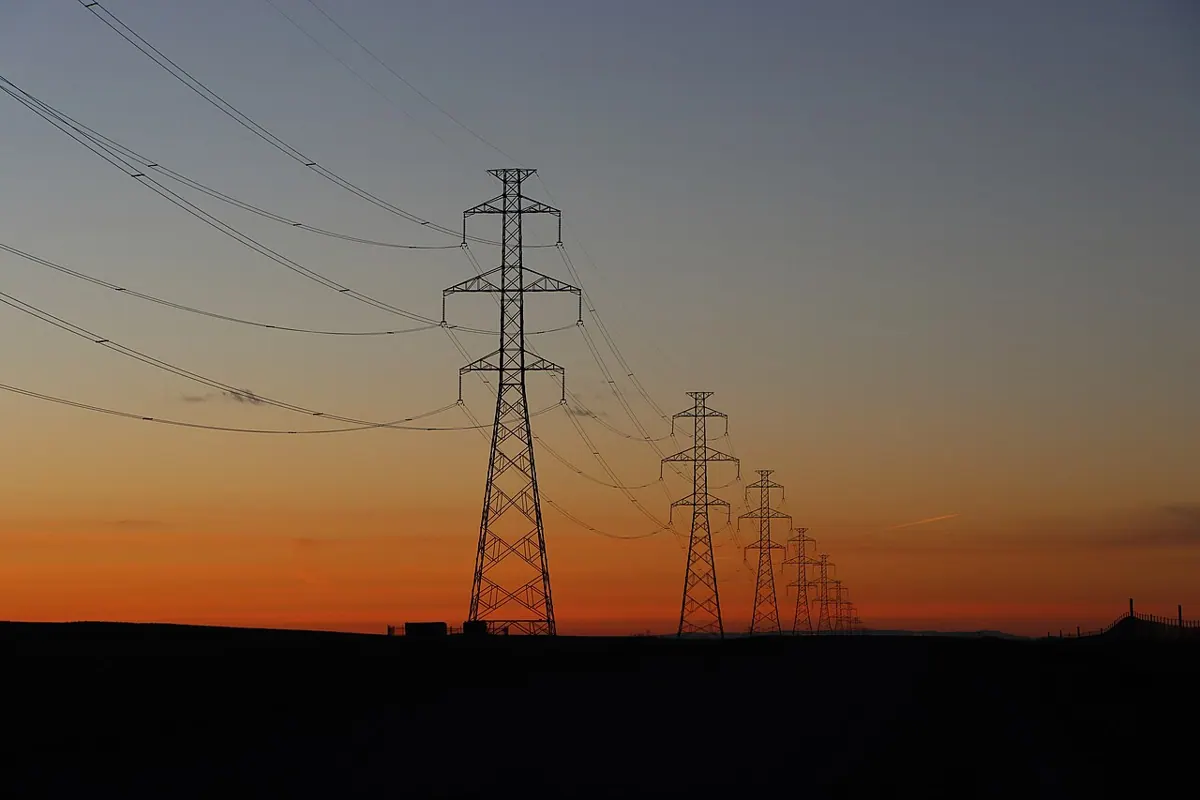
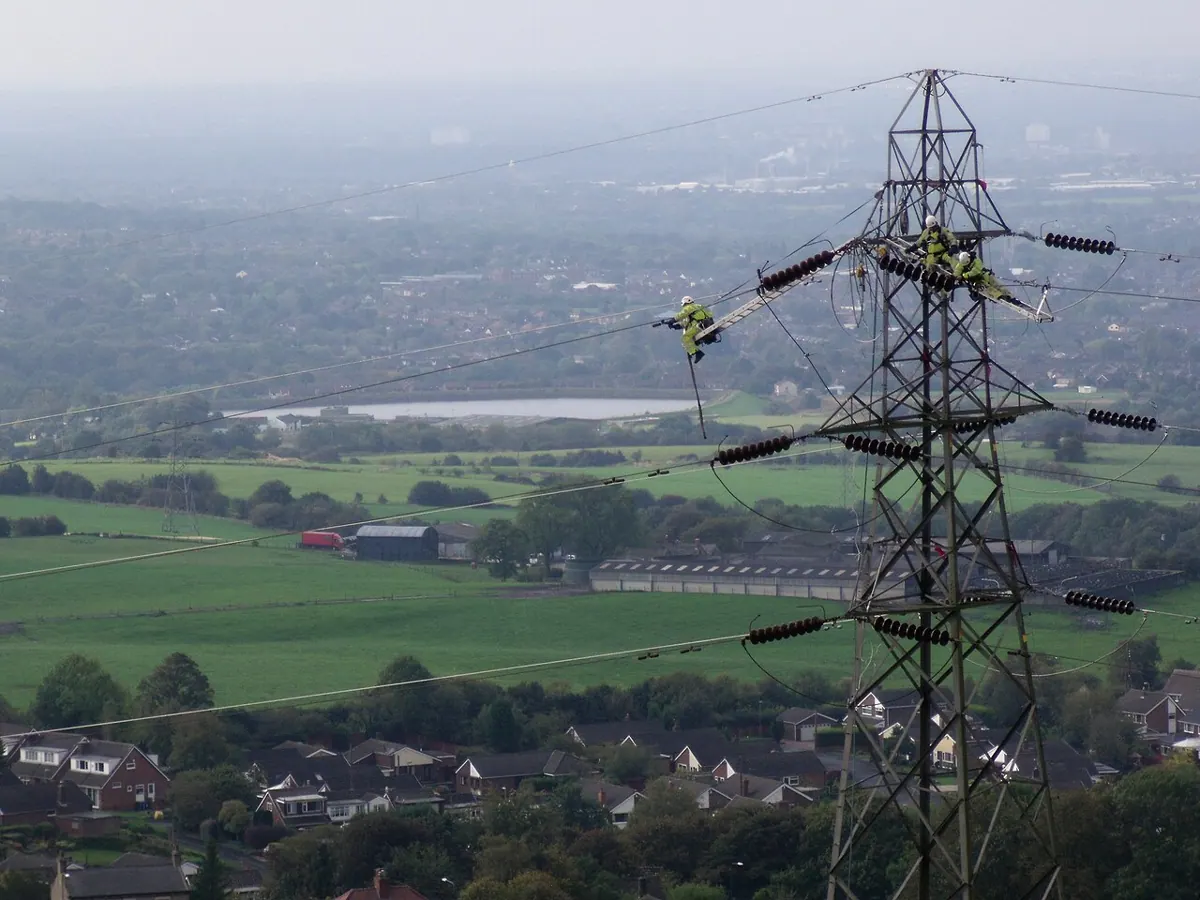
A region can have enough generation while a neighborhood loses power because a distribution line is damaged. Household outage experience often reflects these local failures. Undergrounding, vegetation management, equipment maintenance and backup arrangements address different causes. More generation alone cannot repair a broken local connection.
Describe resilience in service terms
For a school, clinic or community center, ask which services should continue and for how long. For a wider system, examine resource adequacy, operational flexibility and recovery capability. These are related but distinct goals. A clear reliability discussion avoids treating one technology as either a complete solution or a universal threat. It asks what can fail, what remains available and how the system responds. That approach makes room for renewable generation, networks, storage and demand flexibility to be evaluated according to the specific functions they can provide.